


Quick Summary
For most beginners, a medium-light spinning fishing combo size in the 2-6kg line class covers estuary, inshore and beach fishing. Choose the combo that matches the fish you want and the water you will fish.
- Light combos (2-4kg line) suit bream and whiting.
- Medium combos (3-6kg line) handle flathead, bonito and salmon.
- Heavy combos (6-10kg line) are for mulloway and larger reef species.
- Match the lure weight to the rod's printed casting range before choosing.
- Pair light rods with 1000-2000 reels and medium rods with 2500-3000 reels.
Table of Contents
- What Size Fishing Combo Do I Need? A Quick Answer
- What 'Size' Actually Means in a Fishing Combo
- Step 1: Pick Your Target Species and Fishing Spot
- Step 2: Match Rod Length, Power and Action
- Step 3: Match the Reel Size and Line Rating
- Species-by-Species Combo Sizing Chart
- Choosing Your First Combo: Beginner Setups and the Ultralight Option
- Book Your Combo Match at Fergo's Tackle World
- Frequently Asked Questions
What Size Fishing Combo Do I Need? A Quick Answer
Last Updated: November 8, 2026
If you are buying your first setup, a medium-light spinning fishing combo size in the 2-6kg line class covers most estuary, inshore and beach fishing around Australia. A common mistake among beginners is choosing the wrong size. The good news is that the right size is easy to work out once you know which three numbers matter: rod length, rod power and reel size.
Here is the short answer. Pick the combo that matches the fish you want to catch and the water you will fish. A light combo suits bream and whiting. A medium combo handles flathead, bonito and salmon. A heavier combo is for mulloway and larger reef species. Keep reading and you will know exactly which one to choose.
What 'Size' Actually Means in a Fishing Combo
A fishing combo is a rod and reel sold as one set. When people ask about size, they usually mean four different things, and they are not the same.
- Rod length: The rod's length from butt to tip, usually given in feet or centimetres.
- Rod power: How much force the rod can handle. Look for terms like ultralight, light, medium or heavy.
- Reel size: The number that shows the reel's spool size. A 1000 is small and a 4000 is larger.
- Line rating: The line strength the combo is built for, shown in kilograms or pound test.
Watch out: Do not judge a fishing combo size by one number alone. A long rod with a heavy power rating can feel awkward for small fish, even if the reel size looks right.
Step 1: Pick Your Target Species and Fishing Spot
Start with the fish you most want to catch. Your target species sets the size range, and the spot you fish sets the environment.
Most beginners fish one of three places:
- Beach or rock: Longer rods, about 2.4 to 3.0 metres, help you cast further from uneven ground.
- Estuary or harbour: Medium rods around 2.1 metres give good control around snags and structure.
- Lake or pond: Shorter, lighter rods are easier to handle and suit smaller fish.
Write down your top two species and where you usually fish. That short list will guide every choice you make in the steps that follow.
Step 2: Match Rod Length, Power and Action
Rod power decides how much fish the rod can lift. Rod action describes where the rod bends. Fast action bends near the tip and gives quick hook sets. Slow action bends further down and is forgiving on light lines. Rod length then sets how far you can cast and how much leverage you have over a fish.
The three work together, and the number most beginners ignore is the rod's printed lure or bait weight range. That range is the weight the blank is designed to load and cast. A rod rated 5-15g will cast a 7g soft plastic beautifully and feel dead with a 40g metal. A rod rated 20-60g will launch the metal but struggle to flick a small lure accurately. Match the lure you actually plan to use to that range before you worry about anything else.
Use these rough guides for power:
- Light (2-4kg line): Bream, whiting, herring and small trout. Suits lures around 3-10g.
- Medium (3-6kg line): Flathead, bonito, salmon and most general estuary fish. Suits lures around 7-25g.
- Medium-heavy (4-8kg line): Inshore snapper, tailor, school mulloway. Suits lures around 15-40g.
- Heavy (6-10kg line): Mulloway, large snapper and bigger reef species. Suits lures and baits around 20-60g and up.
Action is the next decision. Fast actions suit single-hook lures and soft plastics where you need to drive the hook home quickly, and they cast more accurately because the tip does less flexing. Slow actions suit treble-hooked hardbody lures and live baits, because the softer bend absorbs head shakes and reduces pulled hooks. For a beginner, a fast-to-medium action is the easiest to learn with because it is more forgiving on the cast and gives a clearer feel of the lure.
Length is the last variable, and it is the one that changes most with your spot. A 2.1-2.4 m rod is the easiest all-round length for estuary and inshore work: long enough to cast accurately, short enough to manage around snags and in a boat. A 2.4-3.0 m rod adds casting distance for beach and rock, but it is awkward in tight country and heavier to hold all day.
A common mistake is buying a heavy rod because it feels more "serious". For small species, a heavy rod hides the bites and tires you out. Choose the power that matches your fish, not your ambition. The second common mistake is buying a rod whose lure rating does not cover the lures you own; check the range on the blank before you commit, because no reel or line choice can fix a rod that will not cast your lure.
For a beginner, a 2.1 to 2.4 metre medium-light rod with a fast action and a lure rating around 5-20g is the easiest all-round setup to learn on. It covers bream and whiting on light lures, flathead on soft plastics, and the occasional bonito or salmon if you fish the edges of the estuary.
Step 3: Match the Reel Size and Line Rating
The reel must suit the rod. A small reel on a heavy rod is unbalanced, and a large reel on a light rod feels clumsy. Most spinning reels for this kind of fishing come in sizes between 1000 and 4000.
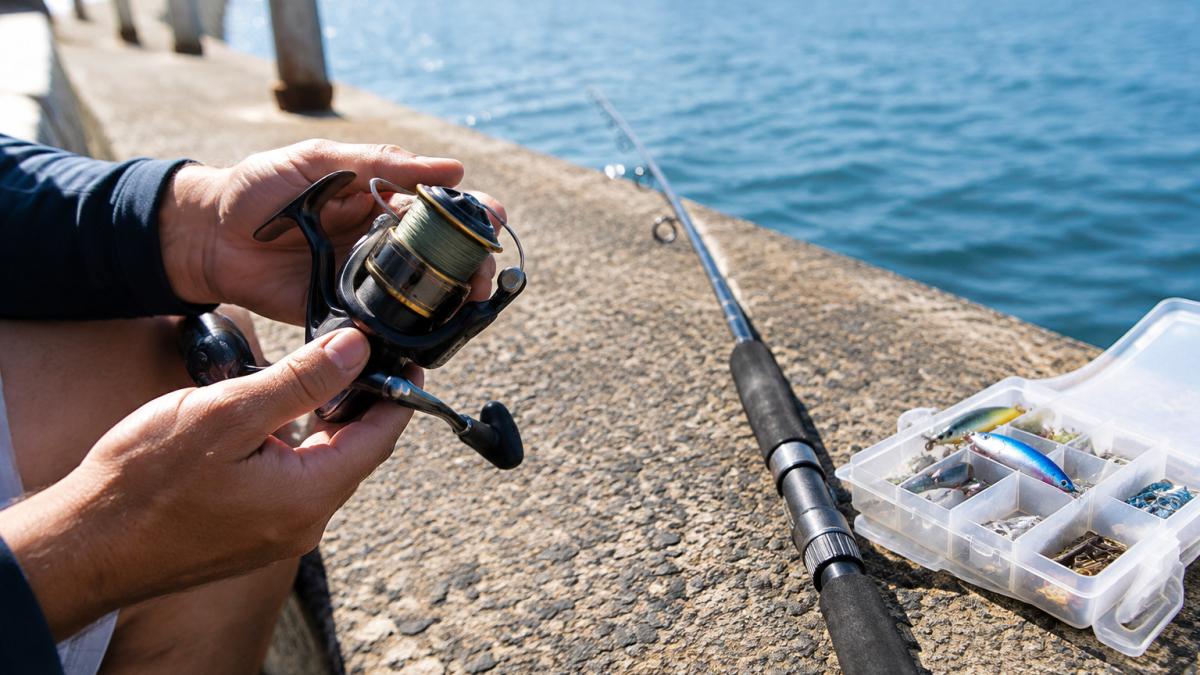
As a simple match:
- Light rods pair with 1000 to 2000 reels.
- Medium rods pair with 2500 to 3000 reels.
- Heavy rods pair with 4000 reels and up.
Check the line rating printed on the rod. Spool your reel with line that falls inside that range. Going much heavier makes casting harder. Going much lighter risks a broken line when a bigger fish runs.
Here is a quick summary of how the parts fit together:
| Setup | Typical Rod Length | Line Rating | Reel Size | Best For |
|---|---|---|---|---|
| Light | 1.8 to 2.1 m | 2-4kg | 1000 to 2000 | Bream, whiting, trout |
| Medium | 2.1 to 2.4 m | 3-6kg | 2500 to 3000 | Flathead, bonito, salmon |
| Heavy | 2.4 to 3.0 m | 6-10kg | 4000+ | Mulloway, large reef fish |
Line Rating
Species-by-Species Combo Sizing Chart
Use this chart as a starting point, then adjust for your spot and conditions. The extra columns matter: rod length changes how far you can cast and how much control you have around structure, while the lure or bait weight range tells you whether the rod will actually load and cast the lure you plan to use. A rod rated 3-6kg but only 5-15g will struggle to cast a 40g metal lure, no matter how well the reel matches.
| Target Species | Typical Water | Rod Length | Rod Power | Line Rating | Reel Size | Lure/Bait Weight |
|---|---|---|---|---|---|---|
| Bream | Estuary, rock walls, moorings | 1.8-2.1 m | Light | 2-4kg | 1000-2000 | 3-10g |
| Whiting | Sand flats, beach gutters | 2.1-2.4 m | Light | 2-4kg | 1000-2000 | 5-15g |
| Flathead | Estuary, sand, weed edges | 2.1-2.4 m | Medium | 3-6kg | 2500-3000 | 7-25g |
| Bonito | Beach, inshore, headlands | 2.1-2.4 m | Medium | 3-6kg | 2500-3000 | 15-40g |
| Australian salmon | Beach, rock, surf | 2.4-3.0 m | Medium | 3-6kg | 3000-4000 | 20-60g |
| Tailor | Beach, estuary mouth, rock | 2.4-2.7 m | Medium | 3-6kg | 3000-4000 | 20-50g |
| Snapper (inshore) | Reef, bay, deep structure | 2.1-2.4 m | Medium-heavy | 4-8kg | 3000-4000 | 15-40g |
| Mulloway | Estuary, surf, breakwalls | 2.4-3.0 m | Heavy | 6-10kg | 4000-6000 | 20-60g |
| Murray cod | Rivers, dams, snags | 1.8-2.1 m | Medium-heavy | 6-10kg | 3000-4000 | 10-30g |
| Barramundi | Estuary, impoundment, rock | 1.8-2.1 m | Medium-heavy | 6-10kg | 3000-4000 | 10-30g |
| Yellowfin bream (trophy) | Estuary, rock | 2.1-2.4 m | Medium-light | 3-5kg | 2000-2500 | 5-12g |
| Reef mixed bag | Offshore, inshore reef | 2.1-2.4 m | Medium-heavy | 6-10kg | 4000-6000 | 30-80g |
Watch out: Fish size can exceed what a species usually reaches. If you are hoping for a trophy, move one step up in power and reel size, and check that the rod's lure rating still covers the lures you want to throw. A combo that is too heavy for the average fish will still catch them, but it will hide bites and wear you out over a long session.
Two adjustments are worth making before you buy. First, match the lure or bait weight to the rod's printed casting range rather than guessing from the species alone; a rod that is under-loaded will not cast accurately, and one that is overloaded risks damage on the cast. Second, if you fish both estuary and beach, accept that no single combo does both well. A 2.1-2.4 m medium rod is the closest compromise, but a dedicated 2.4-3.0 m beach rod will out-cast it in the surf every time.
Choosing Your First Combo: Beginner Setups and the Ultralight Option
For most beginners, a medium-light spinning combo is the best first buy. It is versatile, easy to cast and handles many species. A ready-matched set is a sensible starting point, so the rod and reel already suit each other.
Here are three starting points from our range:
- Shimano Zentra Light Spin Combo Bundle is a good pick if you mainly target bream and small estuary fish. It is light enough for small fish and comes as a ready-to-fish package.
- Shimano Zentra Medium Spin Combo Bundle suits a reader who wants one all-round setup for estuary and inshore fishing. It handles flathead and bonito well, also at $199.00 AUD.
- Shimano Sakana IV Medium Spin Combo Bundle is the step-up option for anglers who want a more refined reel. It is priced at $349.00 AUD and suits the same medium species range.
If you want the lightest possible setup, an ultralight combo is worth a look for targeting small bream and whiting. Be honest about what you will catch, though. An ultralight outfit struggles with anything larger than a medium fish.


Book Your Combo Match at Fergo's Tackle World
Still unsure which size fits you? Our family-owned team at Fergo's Tackle World can help match a combo to your target species, your spot and your budget. Visit us in Wollongong or Taren Point, or shop online and we will help you choose the right size before you buy. If you spot the same set cheaper elsewhere, check our price match guarantee before you buy, so you know the best value is covered.
Frequently Asked Questions
What size fishing rod and reel combo should a beginner get?
For most beginners, a medium-light combo with a rod around 7 feet (213cm), a line rating of 3-6kg and a 2500 to 3000 size reel covers estuary, inshore and beach fishing well. It handles bream, flathead and whiting without being too heavy to cast all day. The Shimano Zentra 702M Medium Spin Combo Bundle at Fergo's Tackle World, priced at $199.00, is set up this way and includes line and a starter lure kit, which makes it an easy first purchase.
What size fishing combo is best for bream and flathead?
Bream and flathead are well suited to a light spin combo with a rod rated around 3-12g or 5-20g and a 2500 to 3000 size reel loaded with 4-6kg line. This is light enough for small fish and still strong enough for the occasional bigger flathead. The Shimano Zentra 662L Light Spin Combo Bundle at $199.00 is a practical option for these species on estuary flats.
What does a 2500-size reel mean?
A 2500-size reel is a standard spinning reel size that indicates the spool capacity and general size of the reel body. Larger numbers mean larger reels with more line capacity. For light estuary fishing, a 2500 to 3000 size is common, while heavier surf or boat fishing usually calls for a 4000 size or above. Check the line capacity printed on the spool or in the product listing before buying line.
What line strength should I use with my fishing combo?
Match your line to the rod's line rating, which is shown on the rod blank. A rod rated for 3-6kg line should be spooled with line in that range, and going much heavier can reduce casting distance and sensitivity. Braid and monofilament both work, but beginners often find 4-6kg monofilament easier to handle. Using a fluorocarbon leader of around 6-8kg can help in clear water.


